




Consumers increasingly say they want less sugar and sodium, but taste remains a critical barrier to adoption. Advances in natural sweeteners, fermentation-derived ingredients and flavor-enhancement technologies are helping formulators balance health goals with sensory appeal.
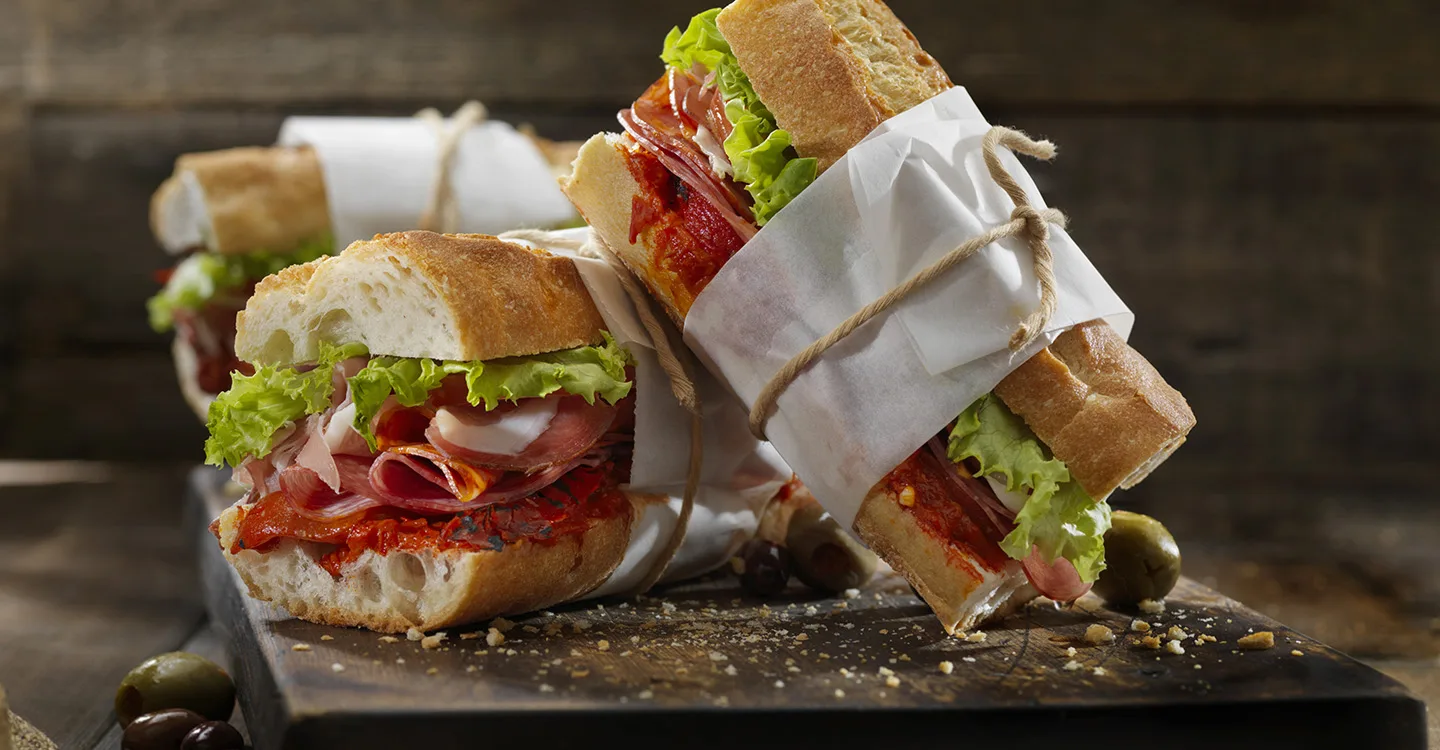
The campaign against ultra-processed foods continues to gain momentum, but the term itself remains scientifically and legally undefined. As regulators consider formal definitions and consumers grow increasingly wary of processing, food manufacturers must navigate a complex landscape where perception, nutrition science and policy do not always align.
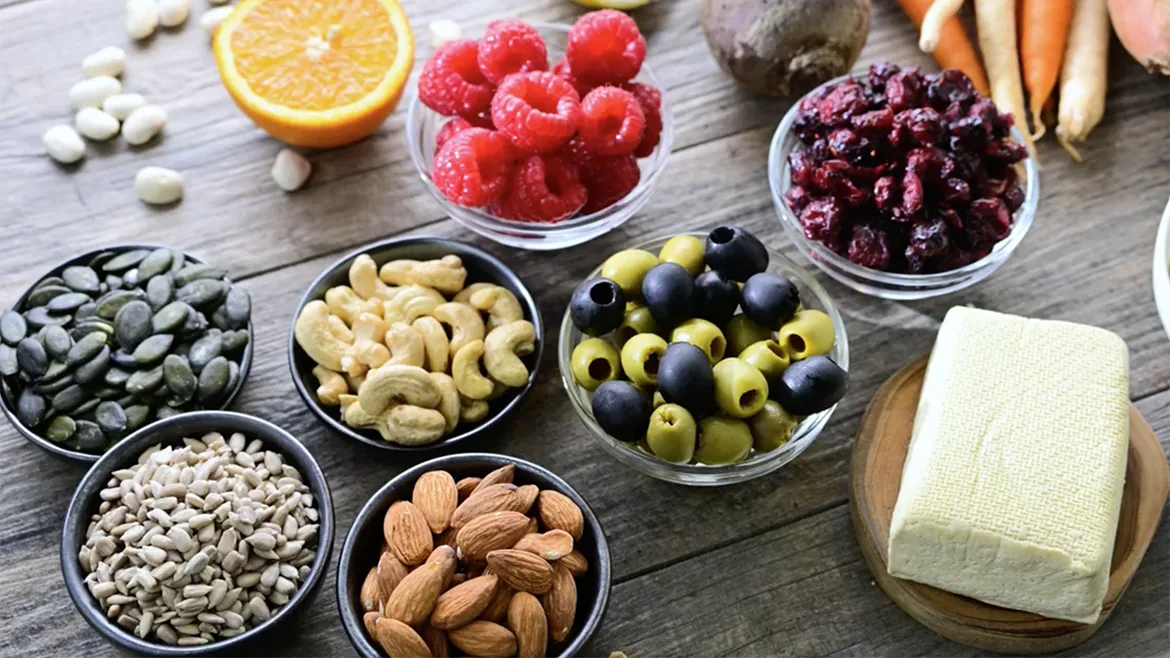
In an insightful interview at the Culinary Institute of America, Chef Hinnerk Von Bargen challenges the negative perception of "ultra-processed foods." He highlights the importance of multi-step processing through examples like sourdough and tofu, emphasizing that these practices enrich our culinary culture and nutrition.
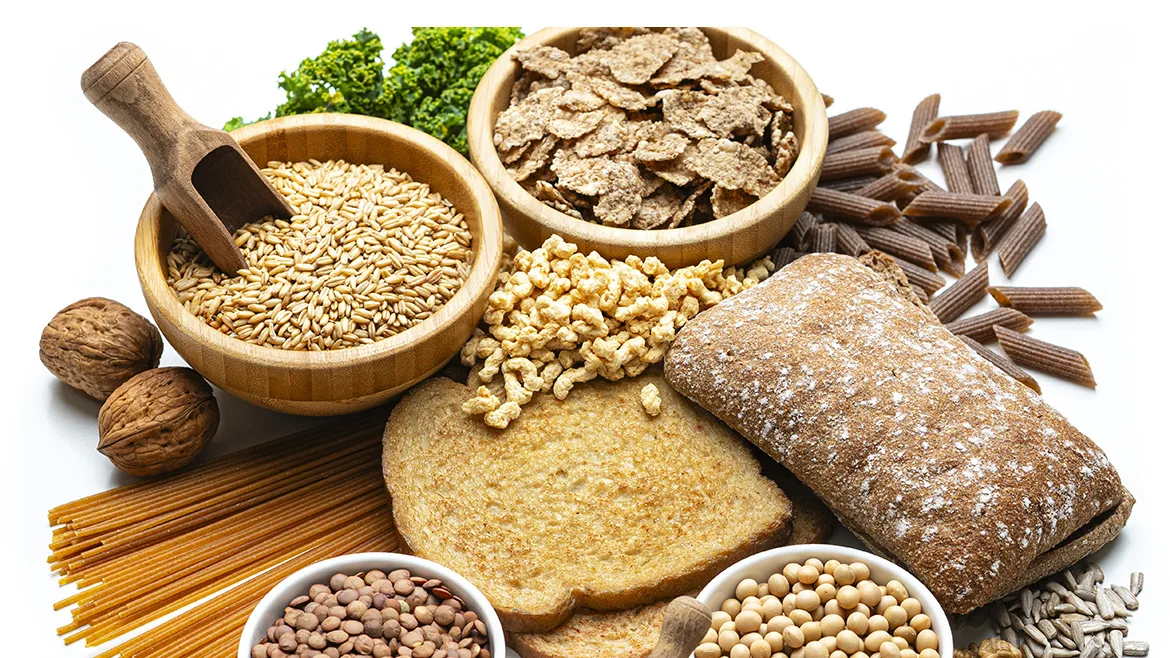
Protein’s evolution from essential nutrient to mainstream functional ingredient has transformed food and beverage innovation, with demand projected to climb steadily over the next decade. As brands expand protein fortification across categories, formulators face the challenge of balancing nutrition goals with the taste, texture and sensory experiences consumers expect.
Upcycled ingredients continue to gain traction as brands look to reduce food waste while adding nutritional and functional value to formulations. Industry experts say the next phase of growth will depend on mainstream retail expansion, consumer education and scalable innovation.
Are you a leader in research & development? Stay ahead of the curve with Prepared Foods, the premier source of information and insights for today's trend leaders and taste-makers in food and beverage manufacturing.